RFID - what is it?
RFID
RFID (Radio Frequency Identification) is a technology that enables the identification of objects, animals or people based on wireless communication using electromagnetic waves.
The identification process involves a receiver (RFID reader) and a transponder (RFID TAG). As part of the established connection, a unique number stored in the RFID tag memory (RFID TAG) is read.
RFID standards
There are three basic standards operating within RFID technology:
- Low frequency RFID (LF)
- High frequency RFID (HF)
- RFID ultra high frequency (UHF)
RFID LF – low frequency
Low-frequency RFID identification is most often used for access control, work time registration (personal identification) and animal identification. A characteristic feature of the low-frequency communication standard is a small reading range (1 - 10 cm).
Transponders used for access control operate at a frequency of 125 kHz. The most popular ID tags used for marking animals operate at a frequency of 134 kHz.
RFID HF – high frequency
The most popular high-frequency RFID transmission standard is ISO 14443. This standard defines the method of exchanging information with passive proximity cards operating at a frequency of 13.56 MHz. The most popular tags that meet the ISO 14443 standard are Mifare cards (Mifare S50 1k / S70 4k, Mifare Ultralight / Ultralight C, Mifare Plus, Mifare DesFire EV1). Individual systems differ in the amount of available memory and implemented security mechanisms.
The short range, a number of security mechanisms and the ability to save data in the memory of ISO 14443 RFID tags make them most often used:
- as electronic tickets
- in loyalty programs
- to make micropayments
- to identify people
- in access control
- in recording working time
- to identify goods
- to protect products against counterfeiting
- to work with many systems reading/storing data in a proximity manner
Selected systems that meet the ISO 14443 standard are also compliant with the NFC Forum specification, which allows them to be used as passive NFC tags.
RFID UHF – ultra high frequency
The European regulation of the UHF RFID standard specifies the communication frequency range: 865 – 868 MHz.
A characteristic feature of UHF RFID technology is a long tag reading range (up to 15 m) and the ability to wirelessly identify several dozen - several hundred tags per second.
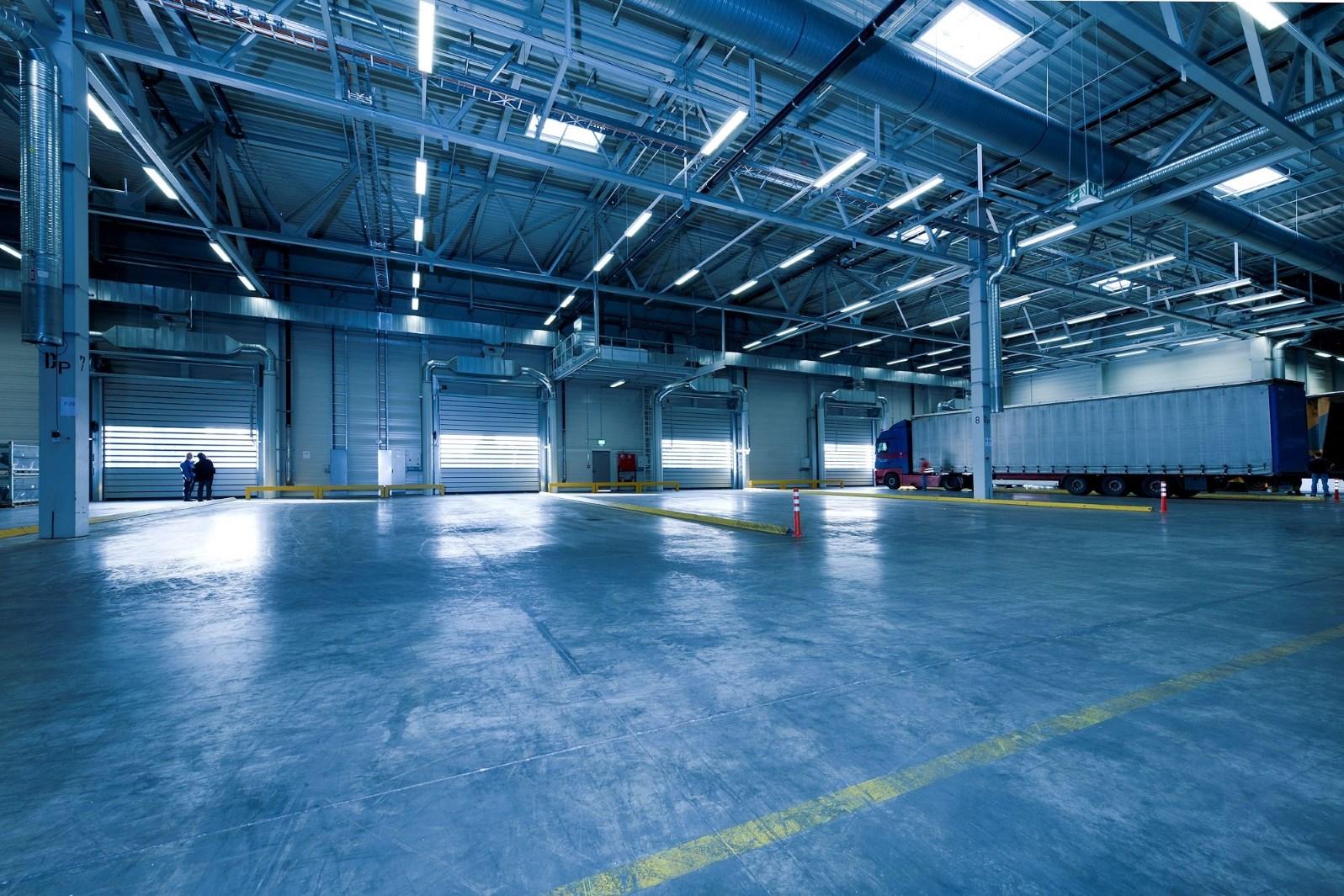
UHF RFID technology is most often used in warehousing and logistics for quick identification of goods. Other popular solutions include service automation:
- parking gates
- road payments
- access control systems
Most often, you can find projects that use the reading of UHF RFID identifiers at the entry/exit gates of the warehouse to monitor goods. Such solutions allow us to reduce to a minimum the time needed to run and control the company's warehouse management.